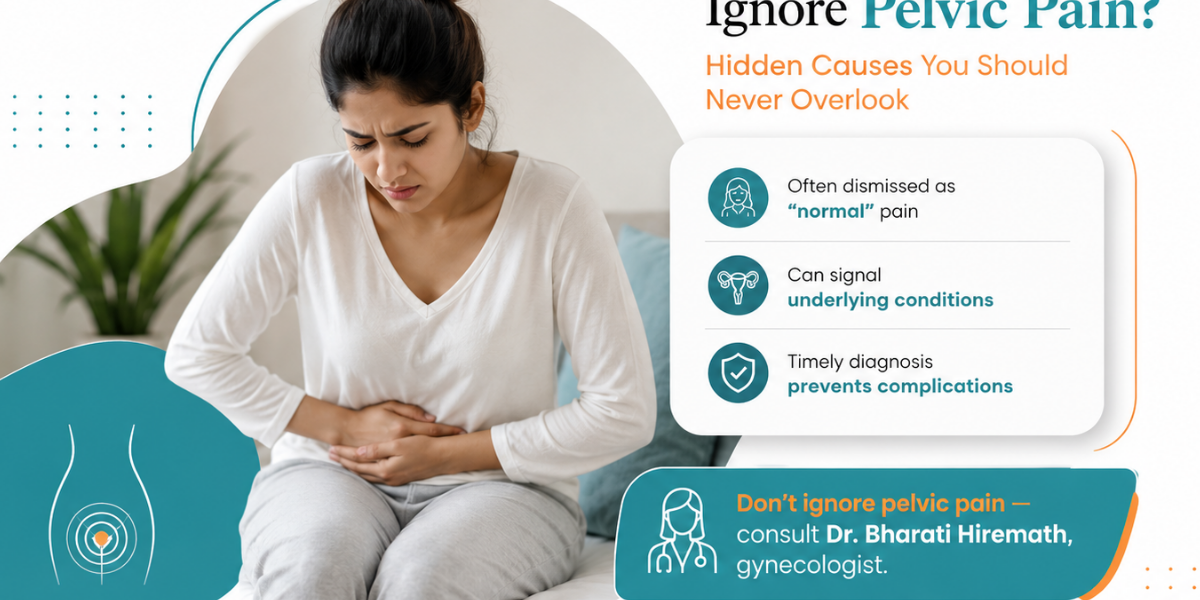
Pelvic pain is one of those symptoms women are taught to brush aside. A cramp here, a dull ache there, and life goes on. But what feels like “just another period” or “probably nothing” is sometimes the body’s way of signaling something that needs attention.
Research shows this is far from a rare complaint. Studies estimate that chronic pelvic pain affects roughly one in four to one in seven women of reproductive age worldwide, according to findings published in the European Medical Journal and reviewed in the medical literature on gynaecology outpatient care. Despite how common it is, many women go years without a proper diagnosis, often because they never brought it up with a gynecologist in the first place.
Why Women Tend to Ignore Pelvic Pain
There isn’t one single reason women stay quiet about pelvic pain. It’s usually a mix of social conditioning, misinformation, and simple lack of awareness.
- Normalization of period pain. Many women grow up being told that cramps, bloating, and discomfort are just “part of being a woman.” This makes it harder to recognize when pain has crossed into something abnormal.
- Fear or embarrassment. Pelvic pain often touches on sensitive topics like sexual health, bladder habits, or bowel issues, which can make women reluctant to discuss it even with a doctor.
- Busy lives, delayed care. Between work, family, and daily responsibilities, many women push through pain rather than pausing to get it checked.
- Past dismissal by a doctor. Unfortunately, some women have been told their pain is “in their head” or “not serious,” which discourages them from seeking help again.
The result is that a treatable condition often turns into a long, frustrating journey before a woman finally consults a gynecologist and gets answers.
Hidden Causes of Pelvic Pain You Shouldn’t Overlook
Pelvic pain isn’t always linked to the reproductive system, and that’s part of what makes it tricky to diagnose. According to a review published in PMC (National Center for Biotechnology Information), chronic pelvic pain is frequently multifactorial, meaning more than one condition can be present at the same time.
Here are some of the more commonly missed causes:
- Endometriosis. This condition, where tissue similar to the uterine lining grows outside the uterus, is considered one of the leading causes of chronic pelvic pain in women, yet it often takes years to diagnose because symptoms overlap with regular period pain.
- Adenomyosis. A condition where the uterine lining grows into the muscular wall of the uterus, often causing heavy periods and deep pelvic discomfort.
- Ovarian cysts. Small cysts may cause no symptoms at all, but larger or ruptured ones can trigger sudden, sharp pain that’s sometimes mistaken for digestive issues.
- Pelvic inflammatory disease (PID). Often linked to untreated infections, PID can cause long-term scarring and pain if not caught early.
- Bladder pain syndrome or interstitial cystitis. This is frequently confused with urinary tract infections, leading to repeated, ineffective treatment.
- Irritable bowel syndrome (IBS). Digestive conditions can mimic or worsen pelvic pain, which is why a gynecologist often works alongside other specialists to rule out overlapping causes.
- Pelvic floor muscle dysfunction. Tight or weakened pelvic floor muscles, sometimes following childbirth or surgery, can cause chronic aching or pressure.
- Past physical or emotional trauma. Some studies note that a notable share of women seeking care for chronic pelvic pain report a history of physical, sexual, or emotional trauma, which can influence how pain is processed and experienced.
The overlap between these conditions is exactly why self-diagnosis rarely works, and why a proper pelvic exam and history taken by a gynecologist matters so much.
When Should You See a Gynecologist?
Not every twinge needs a same-day appointment, but certain signs shouldn’t be ignored:
- Pain that lasts longer than a few days or keeps returning each month
- Pain during intercourse that wasn’t there before
- Unusual bleeding between periods or after menopause
- Pain accompanied by fever, nausea, or dizziness
- Pain that disrupts daily activities, sleep, or work
- A feeling of pressure or heaviness in the pelvis that doesn’t go away
If any of these sound familiar, it’s worth booking a visit with a gynecologist rather than waiting it out. Chronic pain rarely resolves on its own, and early evaluation usually means simpler, faster treatment.
Why Early Consultation Matters
Waiting too long can allow underlying conditions like endometriosis or PID to progress, sometimes affecting fertility or requiring more invasive treatment later on. A timely conversation with a gynecologist can mean the difference between a quick round of tests and years of unexplained discomfort.
It also helps to remember that pelvic pain is a legitimate medical concern, not something to be embarrassed about. Doctors hear about it every day, and getting it addressed early is simply good healthcare, not an overreaction.
How Hiremath Maternity Hospital Can Help
If pelvic pain has been part of your life for longer than it should be, it may be time to stop waiting and start asking questions. At Hiremath Maternity Hospital, women receive thorough evaluations that look beyond the obvious, from hormonal imbalances to structural issues, so the actual cause of the pain is identified rather than just the symptoms being managed.
Led by Dr. Bharti Hiremath, a trusted gynecologist in PCMC, the hospital focuses on compassionate, judgment-free care where women feel comfortable discussing symptoms they may have hesitated to mention elsewhere. Whether it’s routine period pain that feels off, suspected endometriosis, or unexplained pelvic discomfort, Dr. Bharti Hiremath and her team take the time to listen, examine, and guide patients toward the right diagnosis and treatment plan.
If pelvic pain has been quietly affecting your daily life, reaching out to a gynecologist in PCMC like Dr. Bharti Hiremath at Hiremath Maternity Hospital could be the first step toward finally understanding what your body has been trying to tell you.
Frequently Asked Questions
- Is pelvic pain always related to periods? No. While menstrual cramps are a common cause, pelvic pain can also stem from conditions like ovarian cysts, bladder issues, digestive disorders, or pelvic floor dysfunction. If pain persists outside your usual cycle, it’s best to consult a gynecologist for a proper evaluation.
- When does pelvic pain become a medical concern? Pain that lasts more than a few days, keeps recurring, worsens over time, or comes with symptoms like fever, unusual bleeding, or pain during intercourse should be checked by a gynecologist. Chronic pelvic pain lasting over six months is generally considered a condition on its own that needs medical attention.
- Can pelvic pain affect fertility if left untreated? Yes, in some cases. Conditions such as endometriosis and pelvic inflammatory disease can lead to scarring or blocked fallopian tubes if not treated in time, which may impact fertility. Seeing a gynecologist early can help catch these conditions before they progress.
#PelvicPain #WomensHealth #GynecologistAdvice #HealthAwareness #EndometriosisAwareness #HiremathMaternityHospital #GynecologistInPCMC #WomenSupportingWomen