If you’ve been counting calories, cutting carbs, and still watching the scale refuse to budge, you’re not imagining it. Weight loss with Polycystic Ovary Syndrome (PCOS) genuinely works differently than it does for most people, and no, it’s not because you’re doing something wrong.
Studies suggest that anywhere between 38% and 88% of women with PCOS are overweight or obese, and the reasons go far beyond diet and exercise alone (Clinical Endocrinology, as cited by HealthCentral). So before you blame your willpower, let’s understand what’s actually happening inside your body, and why the right PCOS treatment matters more than the latest diet trend.
The Real Reasons Your PCOS Diet Isn’t Working
A “clean” diet alone often isn’t enough for PCOS because the condition affects your hormones and metabolism at a deeper level. Here’s what’s usually going on behind the scenes:
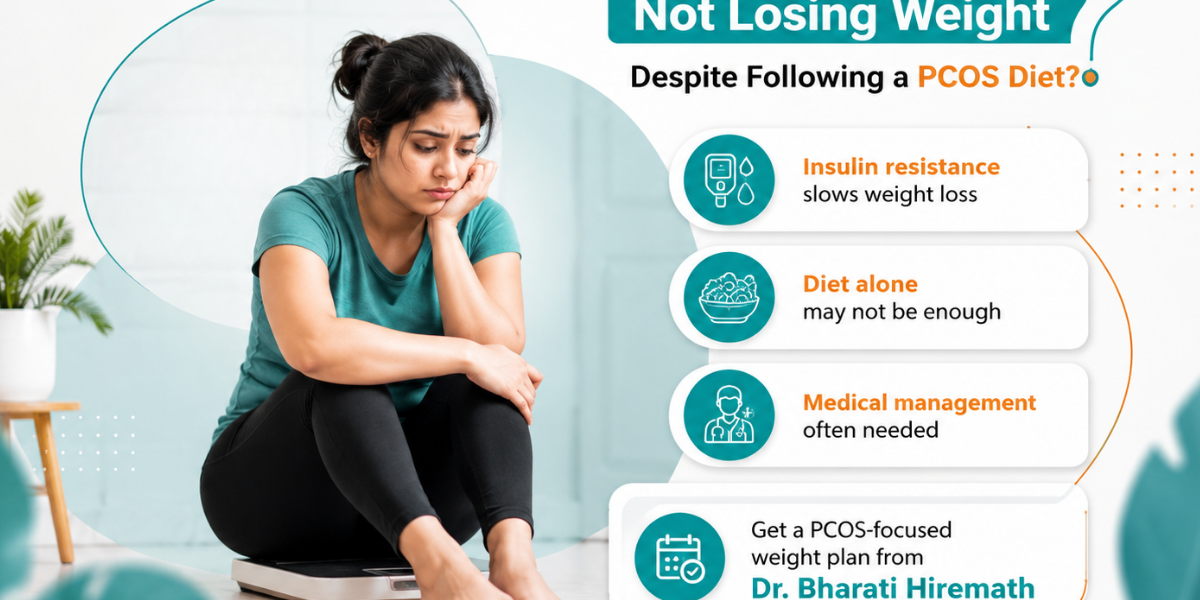
- Insulin resistance is doing the damage. Up to 70% of people with PCOS have some degree of insulin resistance, even those who aren’t overweight, according to Ubie Health’s Doctor’s Note. When your cells stop responding properly to insulin, your body pumps out more of it, and excess insulin signals your body to store fat instead of burning it.
- High androgen levels shift where fat is stored. Elevated male hormones (androgens) common in PCOS tend to push fat toward the abdomen and can reduce muscle tone, making weight loss slower even with consistent effort.
- Your metabolism may genuinely be slower. Chronic low-grade inflammation and hormonal imbalance can quietly reduce how efficiently your body burns energy, so identical diets can produce very different results for someone with PCOS versus someone without it.
- Hunger hormones get thrown off. PCOS can affect hormones like leptin and ghrelin, which regulate appetite, often leading to stronger cravings, especially for carbs and sugar, that have nothing to do with discipline.
- Sleep and stress play a bigger role than people realize. Poor sleep and chronic stress raise cortisol, which can worsen insulin resistance and make fat loss, particularly belly fat, even harder to achieve.
The bottom line: diet is only one piece of a much bigger hormonal puzzle. That’s precisely why generic diet plans, without medical guidance, often fall short for PCOS.
What Actually Helps: Beyond the Diet Plan
Instead of chasing another restrictive diet, doctors generally recommend a more holistic, medically guided approach. Here’s what tends to make a real difference:
- Focus on blood sugar stability, not just calories. Pairing protein and fiber with every meal helps prevent the insulin spikes that drive fat storage, rather than simply eating less.
- Add strength training, not just cardio. Building muscle improves insulin sensitivity in a way that cardio alone often can’t match; aim for 2 to 4 sessions a week if possible.
- Prioritize sleep as part of treatment. Getting 7 to 9 hours of sleep isn’t a luxury with PCOS, it’s a hormonal necessity that directly affects your results.
- Don’t ignore stress management. Even small, consistent stress-relief habits like walking or breathing exercises can support hormone balance over time.
- Ask about medical support. Depending on your case, doctors may recommend medications such as metformin, hormonal therapy, or other targeted treatments alongside lifestyle changes, since combined care generally produces the safest and most sustainable results.
It’s worth remembering that even a modest 5 to 10% reduction in body weight can meaningfully improve PCOS symptoms, insulin levels, and fertility markers, so the goal isn’t a dramatic transformation overnight, it’s steady, medically supported progress.
When It’s Time to See a Specialist
If you’ve genuinely been consistent with diet and exercise for several months and still see no change, it’s a sign to look deeper, not to try yet another fad diet. A gynecologist or PCOS specialist can check for underlying insulin resistance, thyroid issues, or hormonal imbalances through simple blood tests, and build a treatment plan suited to your specific body rather than a one-size-fits-all approach. This is where proper PCOS treatment, rather than trial-and-error dieting, makes the real difference.
Read More –
- Know More About PCOS
- What are the symptoms of PCOS?
- What are the First Signs of PCOS? By Dr. Bharati Hiremath
How Hiremath Maternity Hospital Can Help
At Hiremath Maternity Hospital, led by Dr. Bharti Hiremath, patients receive individualized care that looks beyond just the diet chart. With years of experience in women’s health, Dr. Bharti Hiremath focuses on identifying the root hormonal causes behind stubborn weight gain, from insulin resistance to thyroid and androgen imbalances, and creates a personalized treatment roadmap for each patient.
If you’re searching for reliable PCOS treatment in PCMC, Hiremath Maternity Hospital offers comprehensive diagnostic evaluation, hormonal management, nutritional guidance, and ongoing monitoring, all under one roof. Whether your goal is sustainable weight loss, regular cycles, or improved fertility, the team works with you for the long term, not just a quick fix.
If diets alone haven’t worked for you, it might be time to address the hormones behind the scale. Book a consultation with Dr. Bharti Hiremath at Hiremath Maternity Hospital and take the next step toward lasting results.
Frequently Asked Questions
- Why is it so hard to lose weight with PCOS even on a strict diet? PCOS affects insulin sensitivity, androgen levels, and metabolism, all of which influence how your body stores and burns fat. This means diet alone often isn’t enough; effective PCOS treatment usually combines nutrition, exercise, sleep management, and sometimes medication to address the underlying hormonal imbalance.
- How much weight loss is actually needed to see improvement in PCOS symptoms? Research shows that even a 5 to 10% reduction in body weight can significantly improve insulin levels, hormone balance, and menstrual regularity in women with PCOS. You don’t need dramatic weight loss to see meaningful health benefits, consistency matters more than speed.
- What is the best PCOS treatment for weight loss? There isn’t a single “best” treatment, since PCOS varies from person to person. The most effective approach usually combines a low-glycemic diet, regular strength training, stress and sleep management, and medical evaluation to check for insulin resistance. Consulting a specialist for personalized PCOS treatment, such as at Hiremath Maternity Hospital, ensures the plan is tailored to your specific hormonal profile.
#PCOSAwareness #PCOSTreatment #WomensHealth #HormonalHealth #PCOSWeightLoss #PCOSDiet #HiremathMaternityHospital #PCMCHealthcare #WellnessJourney #GynecologyCare