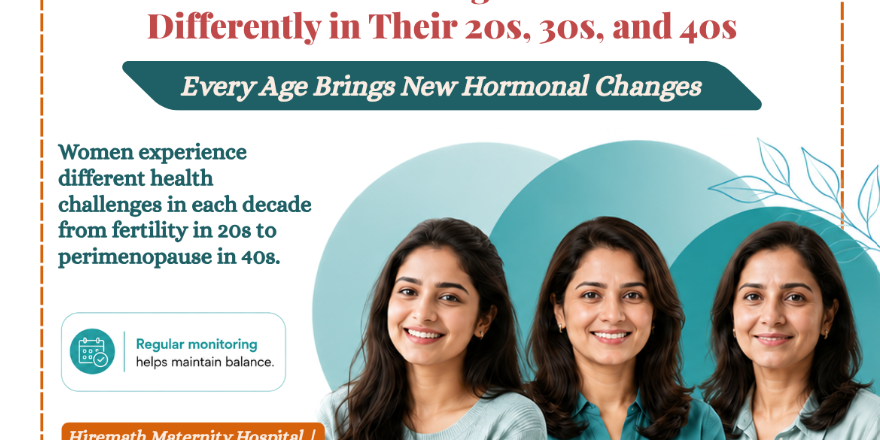
Hormones play a vital role in a woman’s health throughout her life. They influence everything from menstrual cycles and fertility to mood, energy levels, metabolism, and bone health. While hormonal fluctuations are natural, the way they affect women can vary significantly depending on age.
Understanding these changes can help women make informed decisions about their health and know when it’s time to consult a gynecologist. Whether you’re in your 20s, navigating family planning in your 30s, or approaching menopause in your 40s, hormonal health deserves attention.
Many women visit a gynecologist for concerns such as irregular periods, fertility challenges, weight changes, or mood fluctuations. Hormonal balance also plays an important role during pregnancy and normal delivery, making regular women’s healthcare checkups essential.
In this article, Dr. Bharti Hiremath explains how hormonal changes impact women differently in their 20s, 30s, and 40s and what you can do to maintain optimal health during each stage.
Understanding Hormones and Their Role in Women’s Health
Hormones are chemical messengers produced by glands in the endocrine system. Key female hormones include:
- Estrogen
- Progesterone
- Testosterone
- Follicle-Stimulating Hormone (FSH)
- Luteinizing Hormone (LH)
These hormones regulate reproductive health, metabolism, mood, sleep, and many other bodily functions.
According to the National Institute of Child Health and Human Development (NICHD), hormonal fluctuations are a normal part of reproductive aging and can significantly influence physical and emotional well-being.
Source:
https://www.nichd.nih.gov/health/topics/menopause
Hormonal Changes in Your 20s
For most women, the 20s are characterized by relatively stable hormone levels and peak fertility. However, this doesn’t mean hormonal issues cannot occur.
Many women experience:
- Irregular menstrual cycles
- Premenstrual Syndrome (PMS)
- Polycystic Ovary Syndrome (PCOS)
- Acne and skin changes
- Mood swings linked to menstrual cycles
Estrogen levels are generally strong during this decade, supporting bone density, reproductive health, and healthy skin.
Common Hormonal Challenges in Your 20s
PCOS is one of the most common hormonal disorders affecting women of reproductive age. According to the World Health Organization, PCOS affects an estimated 8% to 13% of women worldwide.
Source:
https://www.who.int/news-room/fact-sheets/detail/polycystic-ovary-syndrome
Women experiencing persistent irregular periods, excessive hair growth, severe acne, or unexplained weight gain should consider consulting a gynecologist for evaluation.
Hormonal Changes in Your 30s
The 30s often bring major life transitions, including career growth, marriage, pregnancy, and motherhood. While fertility remains possible, hormonal patterns begin to shift gradually.
Estrogen and progesterone levels may fluctuate more noticeably, particularly after age 35.
What Women Commonly Notice in Their 30s
- Changes in menstrual cycle length
- Increased PMS symptoms
- Difficulty losing weight
- Fatigue and sleep disturbances
- Fertility concerns
Research from the American College of Obstetricians and Gynecologists notes that fertility gradually declines beginning around age 32 and more rapidly after age 37.
Women planning pregnancy in their 30s should prioritize regular health screenings and discussions with a gynecologist regarding fertility, reproductive health, and pregnancy planning.
Hormonal Impact Beyond Fertility
Hormonal changes during this decade can also affect:
- Emotional well-being
- Libido
- Metabolic rate
- Insulin sensitivity
Women with underlying conditions such as PCOS, thyroid disorders, or endometriosis may notice symptoms becoming more prominent during their 30s.
Hormonal Changes in Your 40s
The 40s mark the transition toward menopause, known as perimenopause. During this phase, hormone production becomes increasingly unpredictable.
Perimenopause can begin several years before menopause and often causes noticeable physical and emotional changes.
Common Signs of Hormonal Changes in Your 40s
- Irregular periods
- Hot flashes
- Night sweats
- Mood changes
- Vaginal dryness
- Sleep difficulties
- Reduced fertility
According to the North American Menopause Society, the average age of menopause is approximately 51 years, but perimenopausal symptoms may begin in the early to mid-40s.
Source:
https://menopause.org/patient-education/menopause-topics
As estrogen levels decline, women may also face increased risks of osteoporosis and cardiovascular disease.
Why Monitoring Hormonal Health Becomes More Important
Women in their 40s should pay close attention to:
- Bone health
- Heart health
- Breast health
- Menstrual irregularities
- Emotional well-being
Regular screenings and consultations with a gynecologist can help identify concerns early and improve quality of life during this transition.
When Should You See a Gynecologist?
Hormonal changes are normal, but some symptoms should not be ignored.
Consider scheduling an appointment if you experience:
- Extremely heavy menstrual bleeding
- Missed periods without pregnancy
- Severe pelvic pain
- Persistent fatigue
- Sudden weight changes
- Fertility concerns
- Symptoms affecting daily life
A gynecologist can evaluate hormone levels, identify underlying conditions, and recommend personalized treatment options.
Tips to Support Hormonal Health at Every Age
Maintaining hormonal balance involves a combination of healthy lifestyle habits and preventive healthcare.
Focus on:
- Eating a balanced, nutrient-rich diet
- Exercising regularly
- Managing stress effectively
- Getting adequate sleep
- Maintaining a healthy weight
- Scheduling routine women’s health checkups
These habits can support overall well-being and reduce the impact of hormonal fluctuations throughout life.
Final Thoughts
Hormonal changes are a natural part of every woman’s journey, but they do not affect everyone in the same way. The challenges experienced in your 20s may look very different from those in your 30s or 40s. Understanding these changes allows women to recognize what’s normal, identify potential health concerns early, and seek appropriate medical guidance.
Regular consultations with a gynecologist can help women navigate hormonal transitions confidently and maintain long-term reproductive and overall health.
Read More –
- https://hiremathhospital.in/the-impact-of-stress-on-womens-hormonal-health/
- https://hiremathhospital.in/know-more-about-pcos/
Expert Women’s Healthcare at Hiremath Hospital
If you’re experiencing hormonal symptoms, irregular periods, fertility concerns, or menopausal changes, Dr. Bharti Hiremath and the team at Hiremath Hospital are here to help. With comprehensive women’s healthcare services and personalized treatment plans, they provide expert guidance for every stage of a woman’s life.
Whether you need preventive care, pregnancy support, hormonal evaluation, or specialized treatment, trust an experienced gynecologist in Pimple Saudagar to help you achieve better health and well-being.
#WomensHealth #HormonalHealth #Gynecologist #WomenWellness #MenopauseAwareness #PCOSAwareness #HealthyAging #PimpleSaudagar #HiremathHospital #DrBhartiHiremath