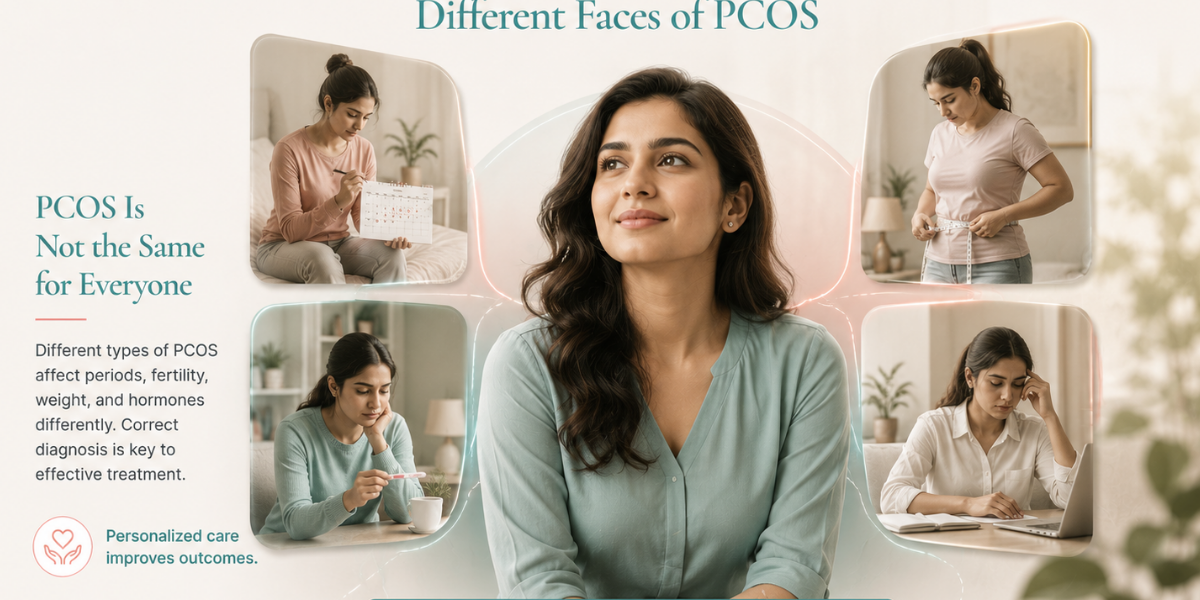
Polycystic Ovary Syndrome (PCOS) is one of the most common hormonal disorders affecting women of reproductive age. Yet, despite its prevalence, many women are unaware that PCOS is not a one size fits all condition. Two women may both be diagnosed with PCOS and experience completely different symptoms, underlying causes, and treatment needs.
Understanding the different types of PCOS can help women take a more personalized approach to their health and seek the right PCOS treatment for their specific condition.
According to the World Health Organization (WHO), PCOS affects an estimated 6% to 13% of women of reproductive age globally, and up to 70% of affected women remain undiagnosed.
Source: https://www.who.int/news-room/fact-sheets/detail/polycystic-ovary-syndrome-(pcos)
If you have recently been diagnosed or suspect you may have PCOS, consulting an experienced gynecologist in Pimple Saudagar can help identify the underlying factors contributing to your symptoms and guide you toward effective treatment.
What Is PCOS?
PCOS is a hormonal and metabolic disorder that affects the ovaries, menstrual cycle, and overall health. Women with PCOS may experience:
- Irregular or missed periods
- Excess facial or body hair
- Acne or oily skin
- Weight gain or difficulty losing weight
- Hair thinning
- Fertility challenges
The condition is often associated with elevated androgen levels, insulin resistance, and ovulation problems.
However, not all cases of PCOS develop for the same reasons, which is why understanding the different types is important for successful PCOS treatment.
Why Understanding Your PCOS Type Matters
Many women become frustrated when lifestyle changes or medications that work for someone else do not work for them. The reason is simple. PCOS can have different root causes.
Identifying the dominant factors behind your condition can help healthcare providers create a more targeted treatment plan and improve long term outcomes.
The Different Types of PCOS
1. Insulin-Resistant PCOS
This is considered the most common type of PCOS.
Insulin is a hormone that helps regulate blood sugar levels. In insulin resistance, the body’s cells do not respond effectively to insulin, causing the pancreas to produce more of it. Elevated insulin levels can stimulate the ovaries to produce excess androgens, leading to PCOS symptoms.
Common signs include:
- Weight gain, especially around the abdomen
- Sugar cravings
- Fatigue after meals
- Difficulty losing weight
- Darkened skin patches around the neck or underarms
Research published by the National Institutes of Health suggests that insulin resistance affects approximately 50% to 75% of women with PCOS.
Source: https://www.ncbi.nlm.nih.gov
For women with this type, PCOS treatment often focuses on improving insulin sensitivity through diet, exercise, and appropriate medications.
2. Inflammatory PCOS
Chronic low-grade inflammation can trigger excess androgen production and worsen PCOS symptoms.
Women with inflammatory PCOS may experience:
- Persistent fatigue
- Frequent headaches
- Skin issues
- Joint discomfort
- Elevated inflammatory markers in blood tests
Inflammation can be influenced by diet, stress, poor sleep, and environmental factors.
Addressing inflammation through lifestyle changes and medical management is often an important part of effective PCOS Treatment.
3. Adrenal PCOS
In adrenal PCOS, elevated androgen levels originate primarily from the adrenal glands rather than the ovaries.
This type is often linked to chronic stress and an overactive stress response.
Symptoms may include:
- Irregular periods
- Anxiety or chronic stress
- Hair thinning
- Acne
- Elevated DHEA-S levels on blood tests
Women with adrenal PCOS may have normal insulin levels and body weight, making diagnosis more challenging.
Stress management strategies often play a key role in treatment.
4. Post Pill PCOS
Some women develop temporary PCOS-like symptoms after stopping hormonal birth control pills.
Birth control pills suppress ovulation. When discontinued, the body may take time to restore hormonal balance.
Symptoms can include:
- Irregular periods
- Acne
- Excess hair growth
- Delayed ovulation
In many cases, hormonal function gradually improves over time. However, evaluation is still important to determine whether symptoms represent true PCOS or a temporary hormonal adjustment.
Can You Have More Than One Type?
Yes. Many women have overlapping features.
For example, a woman may experience both insulin resistance and chronic inflammation. Another may have adrenal hormone imbalances along with mild insulin resistance.
This is why a thorough medical assessment is essential before beginning any PCOS treatment plan.
How Is PCOS Diagnosed?
PCOS diagnosis is typically based on a combination of symptoms, medical history, blood tests, and ultrasound findings.
The internationally accepted Rotterdam Criteria require at least two of the following:
- Irregular or absent ovulation
- Elevated androgen levels or signs of excess androgens
- Polycystic ovaries visible on ultrasound
Source: https://www.asrm.org
A healthcare provider may also perform additional testing to rule out other hormonal disorders that can mimic PCOS.
Personalized PCOS Treatment: Why One Size Doesn’t Fit All
Successful PCOS Treatment involves identifying the factors driving your symptoms rather than focusing only on symptom relief.
Treatment plans may include:
- Dietary modifications
- Regular physical activity
- Weight management strategies
- Hormonal therapy when appropriate
- Insulin sensitizing medications
- Fertility support for women trying to conceive
The most effective treatment plans are tailored to each individual’s symptoms, health goals, and underlying hormonal profile.
When Should You See a Specialist?
Many women dismiss irregular periods, acne, or weight gain as normal life challenges. However, untreated PCOS can increase the risk of several long term health concerns, including:
- Type 2 diabetes
- High blood pressure
- Infertility
- Sleep apnea
- Endometrial abnormalities
Early diagnosis and appropriate intervention can significantly improve health outcomes and quality of life.
Read More –
- https://hiremathhospital.in/unveiling-polycystic-ovary-syndrome-pcos/
- https://hiremathhospital.in/know-more-about-pcos/
- https://hiremathhospital.in/what-are-the-first-signs-of-pcos-by-dr-bharati-hiremath/
Expert PCOS Care at Hiremath Maternity Hospital
If you are struggling with irregular periods, fertility concerns, unexplained weight gain, or other symptoms of PCOS, professional guidance can make a significant difference.
Dr. Bharti Hiremath at Hiremath Maternity Hospital provides comprehensive evaluation and individualized treatment plans designed to address the unique needs of every patient. From diagnosis to long term management, the team focuses on helping women achieve better hormonal balance, reproductive health, and overall well being.
For women seeking reliable PCOS treatment in Pimple Saudagar, Hiremath Maternity Hospital offers compassionate, evidence based care tailored to your specific type of PCOS and health goals.
#PCOSTreatment #PCOSAwareness #Women’sHealth #HormonalHealth #FertilityCare #PCOSManagement #GynecologyCare #PCOSTreatmentInPimple Saudagar #DrBhartiHiremath #HiremathMaternityHospital