Large Period Clots: When to Consult a Gynecologist in PCMC
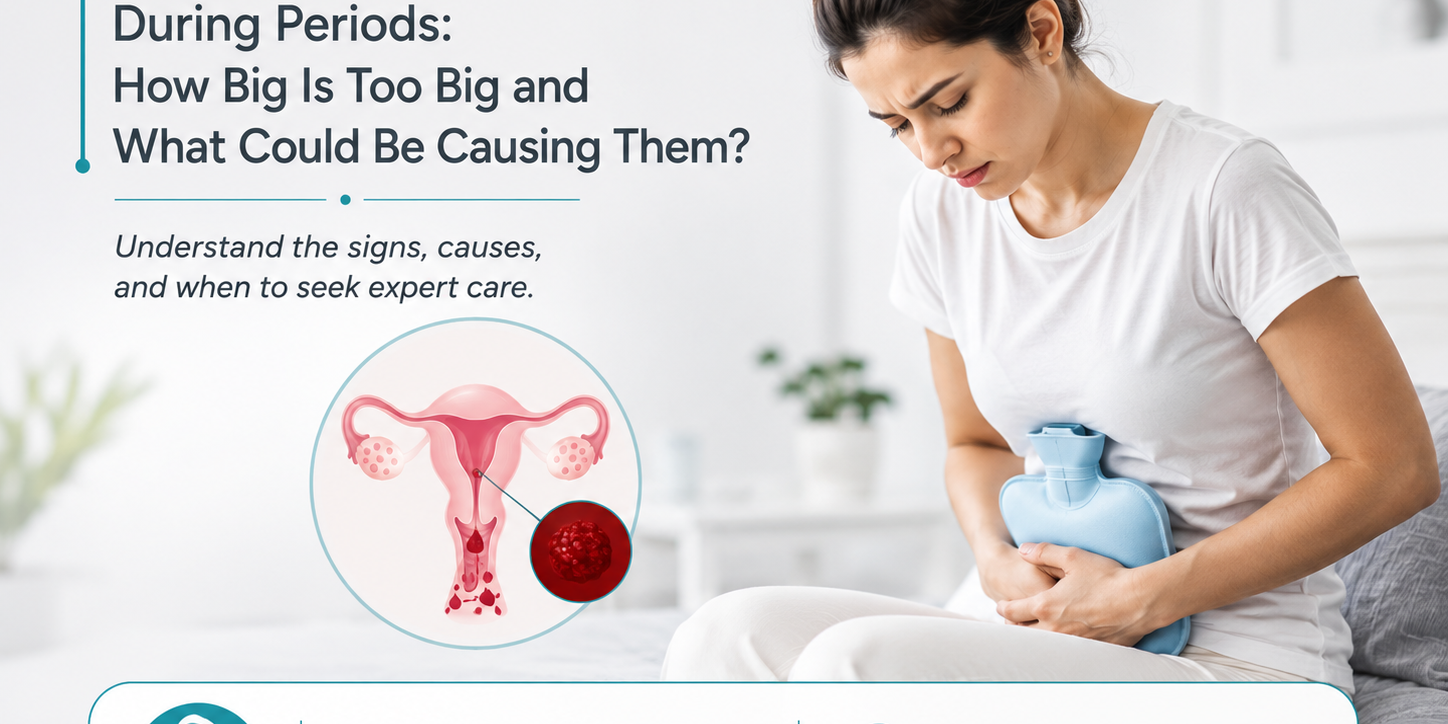
Seeing blood clots during your period can be alarming, particularly when they appear larger than usual. Small clots can occur during heavier menstrual flow and are not always a sign of disease. However, repeatedly passing large clots, especially alongside very heavy bleeding, pain or tiredness, deserves medical attention.
Menstrual clots form when blood collects in the uterus or vagina faster than the body’s natural anticoagulant mechanisms can keep it completely fluid.
The important question is not simply whether you have clots, but how large they are, how often they occur and what other symptoms accompany them.
A Gynecologist in PCMC can help determine whether heavy clotting represents your normal menstrual pattern or is related to an underlying gynecological condition.
Why Do Blood Clots Form During Periods?
During menstruation, the lining of the uterus breaks down and leaves the body as menstrual blood and tissue.
The body naturally releases substances that help keep menstrual blood from clotting. During heavier flow, however, blood may leave the uterus faster than these mechanisms can act, allowing clots to form.
Occasional small clots during the heaviest days of menstruation can therefore occur without indicating a serious condition.
The pattern becomes more important when clots are repeatedly large or accompanied by excessive bleeding.
How Big Is Too Big?
According to the Centers for Disease Control and Prevention (CDC), passing blood clots about the size of a quarter or larger can be one of the signs associated with heavy menstrual bleeding.
Size should not be considered alone, however.
Your gynecologist will also want to know how frequently you change pads or other menstrual products, how many days heavy bleeding lasts and whether it interferes with sleep, work or normal activities.
Signs Your Period May Be Heavier Than Normal
Consider discussing your menstrual bleeding with a gynecologist when you experience:
- Large clots repeatedly during your period
- Bleeding lasting longer than about seven days
- Needing to change menstrual protection unusually frequently
- Bleeding through clothing or bedding
- Significant tiredness, weakness or breathlessness
Heavy menstrual bleeding can sometimes contribute to iron-deficiency anemia, which may explain symptoms such as fatigue or weakness.
What Can Cause Large Blood Clots?
1. Uterine Fibroids
Fibroids are non-cancerous growths that develop in or around the uterus. Depending on their size and location, they can contribute to heavy or prolonged menstrual bleeding.
The American College of Obstetricians and Gynecologists (ACOG) identifies heavy or painful periods as possible symptoms associated with uterine fibroids.
Not every fibroid requires treatment. Management depends on symptoms, size, location and individual circumstances.
2. Adenomyosis
Adenomyosis occurs when tissue similar to the uterine lining grows into the muscular wall of the uterus.
It may cause heavy menstrual bleeding, painful periods and pelvic discomfort. Some women also experience a feeling of heaviness or tenderness.
3. Hormonal or Ovulation Problems
When ovulation does not occur regularly, the uterine lining may build up differently than usual. This can sometimes lead to irregular or heavy bleeding.
PCOS and certain other hormonal conditions can contribute to irregular ovulation.
4. Thyroid Disorders
Thyroid dysfunction can affect menstrual patterns. Depending on the condition, periods may become heavier, lighter or irregular.
If heavy bleeding occurs alongside fatigue, unexplained weight changes, constipation or other symptoms, thyroid testing may be considered.
5. Bleeding Disorders
Less commonly, unusually heavy menstrual bleeding can be associated with an underlying bleeding disorder.
This possibility may be particularly relevant when very heavy periods have been present since adolescence or when there is a personal or family history of abnormal bleeding.
Can Heavy Periods Cause Anemia?
Yes.
Repeated heavy menstrual blood loss can reduce the body’s iron stores and eventually contribute to iron-deficiency anemia.
Symptoms may include fatigue, weakness, headaches, dizziness, pale skin, shortness of breath or a fast heartbeat.
Blood tests such as a complete blood count and, when appropriate, iron studies can help evaluate whether heavy periods have affected your blood or iron levels.
When Is Heavy Bleeding an Emergency?
Very heavy bleeding should not always wait for a routine appointment.
Seek prompt medical attention if you are experiencing extremely heavy bleeding together with dizziness, fainting, severe weakness, shortness of breath, severe pelvic pain or symptoms suggesting significant blood loss.
If there is any possibility of pregnancy, unusual heavy bleeding or clots should also be medically assessed because pregnancy-related conditions can cause bleeding.
How Does a Gynecologist Investigate Large Period Clots?
Evaluation usually begins with your menstrual history.
Your gynecologist may ask when heavy bleeding started, how long periods last, how frequently menstrual products need changing and whether you experience pelvic pain or bleeding between periods.
Depending on your symptoms, investigations may include:
- Blood tests to assess anemia and selected hormonal conditions
- Pelvic ultrasound to evaluate the uterus and ovaries
- Additional tests when clinically indicated
The investigations needed vary from woman to woman.
How Are Heavy Periods Treated?
Treatment depends on what is causing the bleeding, its severity, your age, medical history and future pregnancy plans.
For some women, medicines can help reduce menstrual bleeding or regulate cycles. If iron deficiency is present, appropriate iron replacement may be advised.
When fibroids, adenomyosis or another structural problem is responsible, management is individualized based on the condition and symptoms.
This is why simply trying to “stop the bleeding” without identifying the cause may not provide a long-term solution.
Do Not Normalize a Major Change in Your Period
Periods vary naturally between women, but you know your usual pattern.
If you suddenly begin passing much larger clots, your periods become considerably heavier, or bleeding starts interfering with everyday activities, the change is worth investigating.
Keeping a simple menstrual diary can help. Record the duration of your periods, heavy-flow days, approximate clot size and associated symptoms. This information can be useful during your consultation.
Consult Dr. Bharati Hiremath, Gynecologist in PCMC
If you regularly experience large blood clots, prolonged periods or unusually heavy menstrual bleeding, consider discussing these changes with Dr. Bharati Hiremath, gynecologist in PCMC, at Hiremath Maternity Hospital.
Evaluation can help determine whether heavy bleeding is related to fibroids, adenomyosis, hormonal changes or another condition and guide treatment according to your individual needs.
Frequently Asked Questions
1. Are large blood clots during periods normal?
Small occasional clots can occur during heavier menstrual flow. Repeatedly passing larger clots, particularly when accompanied by very heavy or prolonged bleeding, should be discussed with a gynecologist.
2. Why am I suddenly getting large blood clots during my period?
A new change may be associated with heavier menstrual flow, hormonal changes, fibroids, adenomyosis or other conditions. Because several causes are possible, persistent changes should be medically evaluated.
3. Can PCOS cause large blood clots during periods?
PCOS can cause irregular ovulation, which may lead to irregular or sometimes heavy bleeding in some women. However, large clots have several possible causes, so they should not automatically be attributed to PCOS.
#heavyperiods #periodclots #menstrualhealth #gynecologistinpcmc #gynecologist #fibroids #adenomyosis #womenshealth #periodproblems #hiremathmaternityhospital