
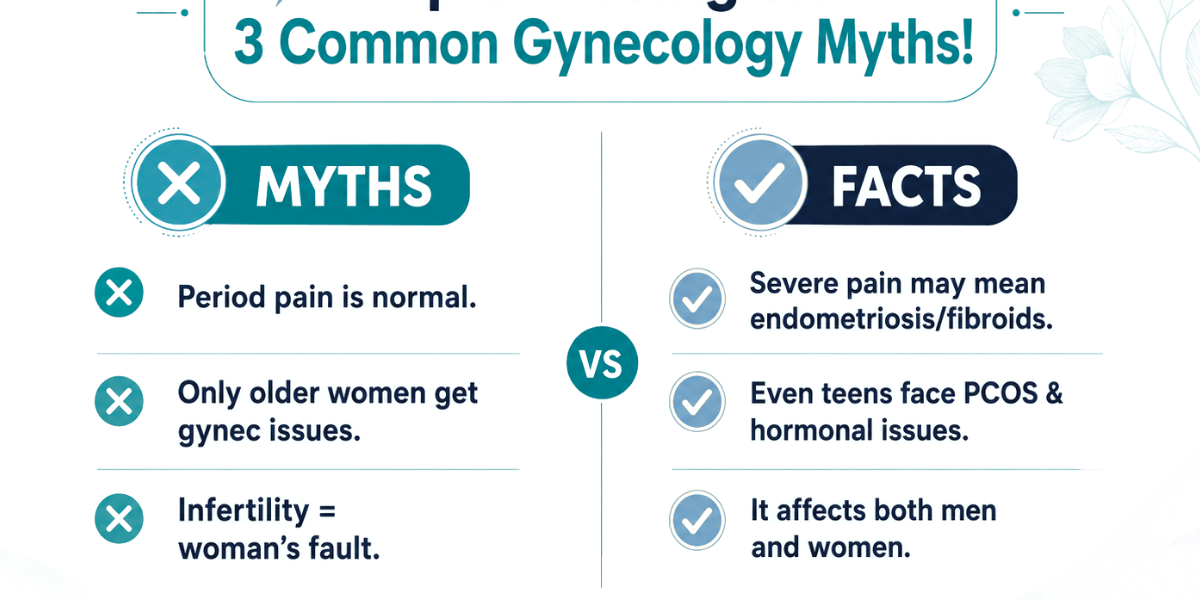
For many women, periods are simply a monthly occurrence. While slight variations in your menstrual cycle are normal, significant changes in your periods can be your body’s way of signaling that something needs attention. Ignoring these signs may delay the diagnosis of underlying health conditions that could affect your reproductive health, hormonal balance, and overall well-being.
According to Dr. Bharati Hiremath, understanding what is normal and what is not can help women take charge of their health. Whether you are planning a pregnancy, managing hormonal concerns, or seeking high-risk pregnancy care treatment in PCMC, paying attention to menstrual changes can provide valuable insights into your body’s health.
In this article, we’ll explore common period-related symptoms that women should never ignore and when it’s time to consult a gynecologist.
Why Your Menstrual Cycle Matters
The menstrual cycle is often considered a vital sign of a woman’s health. It reflects the complex interaction between hormones, the reproductive system, and overall physical well-being.
A healthy menstrual cycle typically occurs every 21 to 35 days and lasts between 2 to 7 days. However, persistent changes in cycle length, flow, pain levels, or bleeding patterns may indicate an underlying medical condition.
According to the American College of Obstetricians and Gynecologists (ACOG), menstrual health can provide important clues about endocrine, reproductive, and general health conditions.
Source: https://www.acog.org/womens-health
Signs Your Periods May Be Trying to Tell You Something
While every woman’s cycle is unique, certain symptoms should not be ignored.
1. Extremely Heavy Bleeding
Heavy menstrual bleeding is one of the most common reasons women visit a gynecologist.
You may be experiencing abnormal bleeding if you:
- Need to change sanitary protection every hour
- Pass large blood clots frequently
- Have periods lasting longer than seven days
- Feel tired, dizzy, or weak during menstruation
Heavy bleeding may be linked to fibroids, hormonal imbalances, adenomyosis, bleeding disorders, or thyroid conditions.
If heavy periods are affecting your daily life, professional evaluation is important.
2. Irregular Periods
Occasional changes in timing are common, but consistently irregular periods should not be overlooked.
Common signs include:
- Missing periods frequently
- Cycles shorter than 21 days
- Cycles longer than 35 days
- Unpredictable bleeding patterns
Irregular periods are often associated with:
- Polycystic Ovary Syndrome (PCOS)
- Thyroid disorders
- Stress and lifestyle changes
- Premature ovarian insufficiency
A gynecologist can help identify the cause through hormonal evaluation and diagnostic testing.
3. Severe Menstrual Pain
Mild cramps are normal, but debilitating pain is not.
If menstrual pain causes you to:
- Miss work or school
- Avoid daily activities
- Depend heavily on pain medications
- Experience worsening symptoms each month
You may be dealing with conditions such as endometriosis or adenomyosis.
The World Health Organization estimates that endometriosis affects approximately 10% of women and girls of reproductive age worldwide.
Source: https://www.who.int/news-room/fact-sheets/detail/endometriosis
Early diagnosis can significantly improve symptom management and quality of life.
When Spotting and Unusual Bleeding Require Attention
Many women experience occasional spotting, but certain bleeding patterns should prompt medical evaluation.
Bleeding Between Periods
Spotting between menstrual cycles may occur for several reasons, including:
- Hormonal fluctuations
- Birth control changes
- Cervical polyps
- Uterine fibroids
- Infections
Persistent or unexplained spotting should always be discussed with a gynecologist.
Bleeding After Menopause
Any vaginal bleeding after menopause should never be considered normal.
Although some causes are harmless, postmenopausal bleeding may indicate:
- Endometrial polyps
- Endometrial hyperplasia
- Uterine cancer
The National Health Service (NHS) recommends seeking medical advice promptly if postmenopausal bleeding occurs.
Source: https://www.nhs.uk/conditions/post-menopausal-bleeding/
Period Changes and Fertility Health
Your menstrual cycle often provides valuable information about fertility.
Women trying to conceive should pay attention to:
- Irregular ovulation
- Missed periods
- Very short or very long cycles
- Unusually light periods
These symptoms may indicate hormonal imbalances or reproductive conditions that can affect fertility.
Research published by the National Institutes of Health highlights that menstrual irregularities are often associated with ovulatory disorders, one of the leading causes of female infertility.
Source: https://www.ncbi.nlm.nih.gov
Consulting a gynecologist early can help identify potential concerns and improve reproductive outcomes.
Other Symptoms That Should Accompany Your Attention
Periods are important, but they are only one piece of the puzzle. Certain symptoms occurring alongside menstrual changes deserve evaluation.
Watch for These Additional Warning Signs
- Persistent pelvic pain
- Unusual vaginal discharge
- Pain during intercourse
- Sudden weight changes
- Excessive facial hair growth
- Chronic fatigue
- Frequent bloating
These symptoms may indicate conditions such as PCOS, pelvic inflammatory disease, endometriosis, or hormonal disorders.
When multiple symptoms occur together, they often provide important clues about underlying health issues.
Why Women Delay Seeking Help
Many women normalize uncomfortable symptoms because they believe painful or irregular periods are simply part of being a woman. Others may delay appointments due to busy schedules or fear of diagnosis.
However, early medical evaluation often leads to:
- Faster diagnosis
- More treatment options
- Better fertility outcomes
- Improved quality of life
Ignoring symptoms may allow conditions to progress, making treatment more complicated later.
How a Gynecologist Can Help
A gynecologist plays a crucial role in diagnosing and managing menstrual and reproductive health concerns.
Depending on your symptoms, evaluation may include:
- Medical history review
- Hormonal testing
- Ultrasound examination
- Cervical screening
- Fertility assessment when needed
Personalized treatment plans can help restore menstrual health and address the underlying cause rather than simply managing symptoms.
Conclusion
Your periods are more than a monthly routine. They often provide important information about your overall health. Heavy bleeding, severe cramps, irregular cycles, spotting between periods, and fertility concerns should never be ignored. Recognizing these warning signs early and consulting a gynecologist can help prevent complications and ensure timely treatment.
At Hiremath Maternity Hospital, Dr. Bharati Hiremath provides comprehensive women’s healthcare focused on menstrual health, fertility, pregnancy care, and preventive gynecology services. Whether you are experiencing irregular periods, planning a pregnancy, or seeking specialized care for complex reproductive concerns, the team is committed to providing compassionate and personalized treatment. If you are looking for an experienced gynecologist in PCMC, Hiremath Maternity Hospital offers expert care to support your health at every stage of life.
#GynecologistInPCMC #DrBharatiHiremath #WomensHealth #MenstrualHealth #PeriodProblems #PCOSAwareness #FertilityCare #PregnancyCare #WomenWellness #PCMCHealthcare