Pregnancy is a transformative journey, but for many expectant mothers, the joy of a growing baby is often accompanied by the physical strain of a changing body. Back pain is one of the most common complaints, affecting nearly 50% to 70% of pregnant women at some stage of their journey. While it is often considered a standard part of the process, persistent discomfort can interfere with daily activities and sleep quality. Understanding the mechanics of why this pain occurs and implementing proactive management strategies is essential for a smoother experience.
As you navigate these changes, it is helpful to think of your body as a complex structure undergoing a significant renovation. Just as a modern garage door requires proper alignment and balance to function smoothly without strain, your musculoskeletal system needs specific support to handle the shifting center of gravity and hormonal shifts of pregnancy. When the “balance” of your spine and pelvis is disrupted, the resulting back pain can become a constant companion unless addressed with the right care and professional guidance from a qualified Female Gynecologist.
Why Does Back Pain Occur During Pregnancy?
The onset of back pain during pregnancy is rarely due to a single factor. Instead, it is a combination of hormonal, postural, and circulatory changes. According to the American College of Obstetricians and Gynecologists (ACOG), the body produces a hormone called relaxin, which allows ligaments in the pelvic area to relax and the joints to become looser in preparation for the birth process ACOG – Back Pain During Pregnancy. While this is necessary for delivery, it can cause the joints that support your back to become less stable.
Additionally, as the baby grows, your center of gravity shifts forward. To avoid falling forward, many women compensate by leaning back, which puts an enormous amount of pressure on the lower back muscles. This change in posture, combined with the extra weight your muscles must carry, leads to muscle strain and fatigue. In some cases, the separation of the rectus abdominis muscles (diastasis recti) can also contribute to a weakened core, further exacerbating the load on the spine.
Essential Strategies for Daily Relief
Managing back pain requires a multi-dimensional approach that focuses on how you move, sit, and rest. Small adjustments in your daily routine can lead to significant improvements in how your back feels by the end of the day.
-
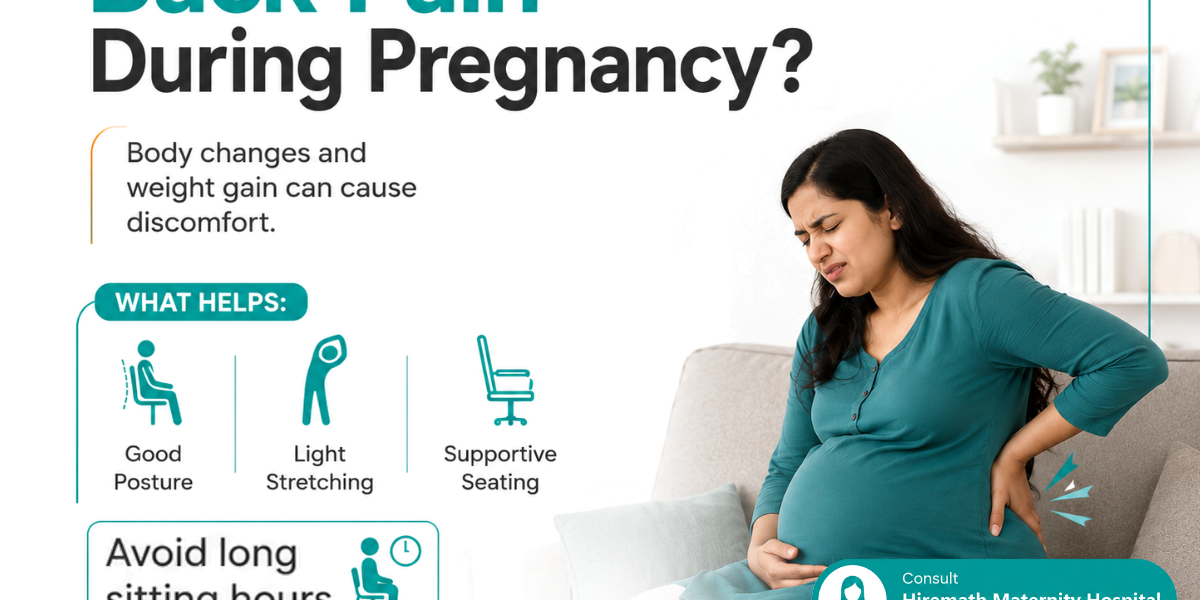
Focus on Good Posture: When standing, keep your chest high and your shoulders back and relaxed. Avoid locking your knees, as this increases the tilt of your pelvis and the strain on your lower back.
-
Opt for Supportive Seating: Always choose a chair that supports your back, or place a small pillow behind your lower back when sitting for long periods.
-
Mindful Lifting: If you must pick something up, squat down by bending your knees rather than bending at the waist. Use your legs to lift rather than your back to prevent acute muscle spasms.
Physical Activity and Comfort Measures
Staying active is often the last thing a woman wants to do when her back hurts, but gentle movement is actually one of the most effective ways to strengthen the muscles that support the spine. Research published in the Journal of Orthopaedic & Sports Physical Therapy suggests that targeted stabilization exercises can significantly reduce pelvic girdle pain and back pain in pregnant patients JOSPT – Pregnancy and Back Pain.
-
Incorporate Light Stretching: Gentle stretches focusing on the lower back and hamstrings can relieve tension. Pelvic tilts and the “cat-cow” yoga pose are particularly helpful for maintaining spinal flexibility.
-
Utilize Support Tools: Maternity support belts can provide temporary relief by helping to take some of the weight of the abdomen off the lower back and pelvis.
-
Prioritize Sleep Positioning: Sleeping on your side with one or both knees bent is recommended. Placing a pillow between your knees and another under your abdomen can help keep your spine in a neutral position throughout the night.
When to Consult Your Female Gynecologist
While most pregnancy-related back pain is mechanical, there are times when it may indicate a more serious issue. It is vital to maintain regular checkups with your Female Gynecologist to monitor these symptoms. If you experience back pain accompanied by vaginal bleeding, fever, or a burning sensation during urination, it could be a sign of a urinary tract infection or preterm labor. Furthermore, if the pain is severe, constant, or accompanied by numbness or weakness in the legs, professional medical evaluation is necessary to rule out neurological issues or severe disc displacement.
Expert Care at Hiremath Maternity Hospital
Managing the physical demands of pregnancy is easier when you have an expert team by your side. At Hiremath Maternity Hospital, led by Dr. Bharati Hiremath, we specialize in comprehensive maternal care that addresses both the clinical and lifestyle aspects of pregnancy. As a leading Gynecologist in PCMC, Dr. Bharti Hiremath understands the specific challenges expectant mothers face, from hormonal imbalances to musculoskeletal discomfort.
Whether you are looking for advice on pelvic floor health or need a dedicated Gynecologist in Pimple Saudagar for a painless delivery experience, our clinic provides a supportive environment for all your needs. We emphasize preventive care, such as teaching proper posture and recommending safe exercise routines, to ensure your pregnancy is as comfortable as possible. If you are struggling with persistent back pain or have questions about your pregnancy journey, reach out to us today for personalized guidance.
#PregnancyHealth #BackPainRelief #MaternalWellness #DrBhartiHiremath #PCMCHealthcare #HealthyPregnancy #WomenHealthMatters