
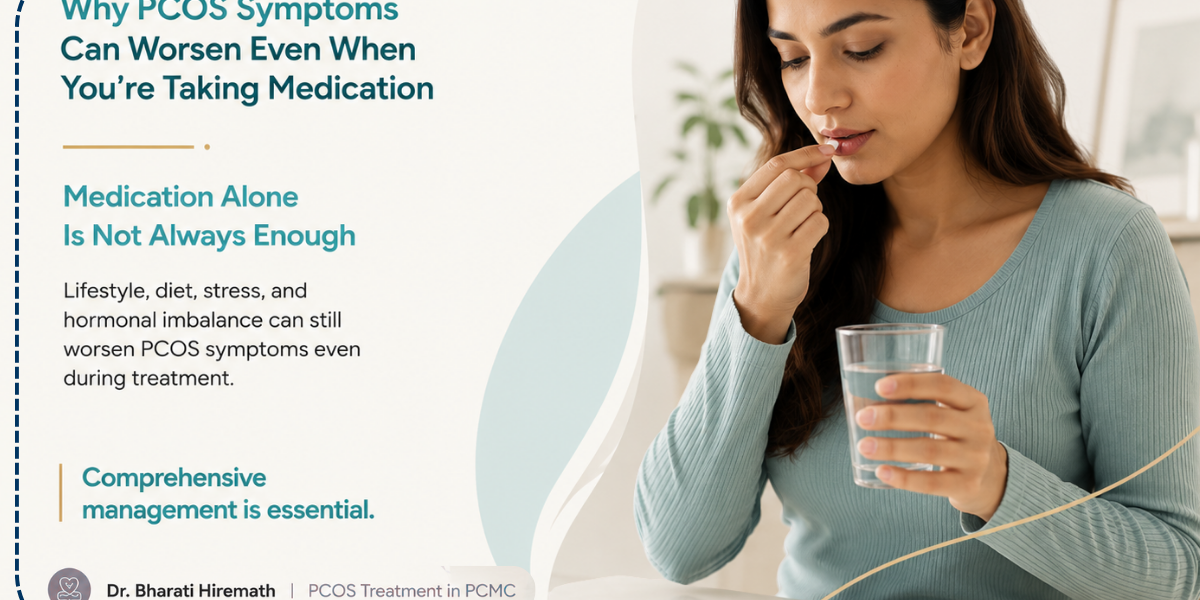
Polycystic Ovary Syndrome (PCOS) is one of the most common hormonal disorders affecting women of reproductive age. It can cause irregular periods, weight gain, acne, excessive hair growth, fertility challenges, and metabolic issues. Many women begin medication expecting their symptoms to improve quickly, only to find that some symptoms remain unchanged or even worsen over time.
This can be frustrating and confusing. If you’re taking medication as prescribed, why are your symptoms still getting worse?
The answer lies in the fact that PCOS is a complex condition influenced by hormones, metabolism, genetics, lifestyle, and mental health. Medication is often an important part of PCOS treatment, but it is rarely the only factor involved in managing the condition.
Women seeking reproductive and hormonal care, including normal delivery in PCMC, often discover that conditions like PCOS require long-term management rather than a quick fix. Understanding why symptoms may worsen despite treatment can help you take more effective steps toward better health.
Understanding How PCOS Affects the Body
PCOS is not just an ovarian condition. It is an endocrine and metabolic disorder that affects multiple systems in the body.
According to the Mayo Clinic, PCOS is associated with hormonal imbalances, insulin resistance, irregular ovulation, and elevated androgen levels. Symptoms and severity can vary significantly from person to person.
Source: https://www.mayoclinic.org/diseases-conditions/pcos/symptoms-causes/syc-20353439
Because PCOS affects different pathways in the body, treating one symptom does not always address the root causes of the condition.
Why PCOS Symptoms May Worsen Despite Medication
1. Medication Addresses Symptoms, Not Always the Underlying Cause
Many commonly prescribed medications for PCOS are designed to manage specific symptoms.
For example:
- Birth control pills may regulate menstrual cycles.
- Metformin may help improve insulin sensitivity.
- Anti androgen medications may reduce excess hair growth and acne.
However, these medications may not fully address factors such as chronic inflammation, stress, poor sleep, or significant insulin resistance. If these underlying issues remain uncontrolled, symptoms may continue to progress despite treatment.
2. Insulin Resistance Continues to Drive Symptoms
Insulin resistance is considered one of the major contributors to PCOS.
When the body’s cells become less responsive to insulin, the pancreas produces more insulin to compensate. Elevated insulin levels can stimulate the ovaries to produce more androgens, worsening symptoms such as:
- Weight gain
- Acne
- Irregular periods
- Hair thinning
- Excess facial hair
Even when medication is prescribed, unmanaged insulin resistance can continue to fuel hormonal imbalances. The Mayo Clinic identifies insulin resistance as a key factor involved in PCOS development and progression.
3. Weight Changes Can Intensify Symptoms
Weight gain is common in women with PCOS, particularly when insulin resistance is present.
Research shows that obesity and excess body weight can worsen hormonal imbalances and increase the severity of PCOS symptoms. Even a modest increase in weight may make symptoms more noticeable.
At the same time, some women experience worsening symptoms despite maintaining a healthy weight, highlighting that weight is only one piece of the puzzle.
Lifestyle Factors That Can Reduce the Effectiveness of PCOS Treatment
Medication works best when combined with healthy lifestyle habits. Certain daily habits can interfere with treatment progress.
Poor Dietary Habits
A diet high in refined carbohydrates, sugary beverages, and processed foods can worsen insulin resistance and inflammation.
Consistently elevated blood sugar levels may make it harder for medications to effectively control symptoms.
Lack of Physical Activity
Regular exercise helps improve insulin sensitivity and supports hormone regulation. Women who are sedentary may experience slower improvement even when taking prescribed medications.
Inadequate Sleep
Poor sleep quality can disrupt hormones involved in metabolism, appetite regulation, and stress responses.
Studies have shown that insufficient sleep may worsen insulin resistance and contribute to weight gain, making PCOS management more challenging.
Stress Can Trigger Symptom Flare Ups
One often overlooked reason for worsening symptoms is chronic stress.
When stress levels remain high for long periods, the body produces increased amounts of cortisol, commonly known as the stress hormone.
High cortisol levels may contribute to:
- Increased cravings
- Weight gain
- Poor sleep quality
- Hormonal fluctuations
- Fatigue
These effects can indirectly worsen PCOS symptoms and make treatment less effective.
Women balancing careers, family responsibilities, fertility concerns, or other health issues often experience stress related to their condition, creating a cycle that becomes difficult to break.
Hormonal Needs Change Over Time
PCOS symptoms are not static. They can change throughout different stages of life.
Factors that may influence symptom severity include:
- Aging
- Pregnancy planning
- Changes in body weight
- New medications
- Thyroid disorders
- Changes in physical activity levels
A treatment plan that worked well two years ago may no longer be sufficient today.
This is why regular follow ups with a gynecologist are important. Medication doses may need adjustment, or additional therapies may be required.
You May Have Another Condition Alongside PCOS
Sometimes worsening symptoms are not caused solely by PCOS.
Several medical conditions can mimic or overlap with PCOS symptoms, including:
- Thyroid disorders
- Elevated prolactin levels
- Adrenal gland disorders
- Sleep apnea
- Prediabetes or diabetes
If symptoms continue worsening despite consistent treatment, your doctor may recommend further evaluation to identify other contributing factors.
The Importance of a Personalized PCOS Treatment Plan
No two women experience PCOS in exactly the same way.
A successful PCOS Treatment plan often includes:
- Appropriate medications
- Nutritional guidance
- Regular physical activity
- Weight management support when needed
- Stress reduction strategies
- Routine hormone monitoring
- Fertility counseling when appropriate
Current evidence suggests that combining lifestyle modifications with medical treatment often produces better outcomes than medication alone.
When Should You See Your Doctor Again?
Schedule a follow up appointment if you notice:
- Increasing menstrual irregularities
- Rapid weight gain
- Worsening acne
- Increased facial or body hair growth
- Hair thinning
- Difficulty conceiving
- Persistent fatigue
- New symptoms that were not present before
Early intervention can help prevent complications and improve long term health outcomes.
Read More –
- https://hiremathhospital.in/know-more-about-pcos/
- https://hiremathhospital.in/unveiling-polycystic-ovary-syndrome-pcos/
- https://hiremathhospital.in/what-are-the-first-signs-of-pcos-by-dr-bharati-hiremath/
Expert PCOS Care at Hiremath Hospital
Managing PCOS requires more than simply taking medication. Understanding the underlying causes, monitoring hormonal changes, and making sustainable lifestyle adjustments are all essential parts of successful treatment.
At Hiremath Hospital, Dr. Bharti Hiremath provides comprehensive care for women dealing with PCOS and related reproductive health concerns. Whether you are struggling with irregular periods, fertility challenges, weight management, or hormonal symptoms, the hospital offers personalized guidance and evidence-based PCOS treatment in PCMC tailored to your individual needs.
With timely diagnosis, ongoing monitoring, and a holistic approach to women’s health, Dr. Bharti Hiremath and the team at Hiremath Hospital help women achieve better hormonal balance and improved quality of life.
#PCOSAwareness #PCOSTreatment #WomenHealth #HormonalHealth #PCOSManagement #Gynecologist #WomensWellness #PCOSTreatmentInPCMC