Guidance From a Gynaecologist in Pimple Saudagar
Hormones influence menstruation, fertility, mood, sleep, skin, bone health and sexual well-being. However, there is no single hormonal pattern that every woman experiences at a particular age.
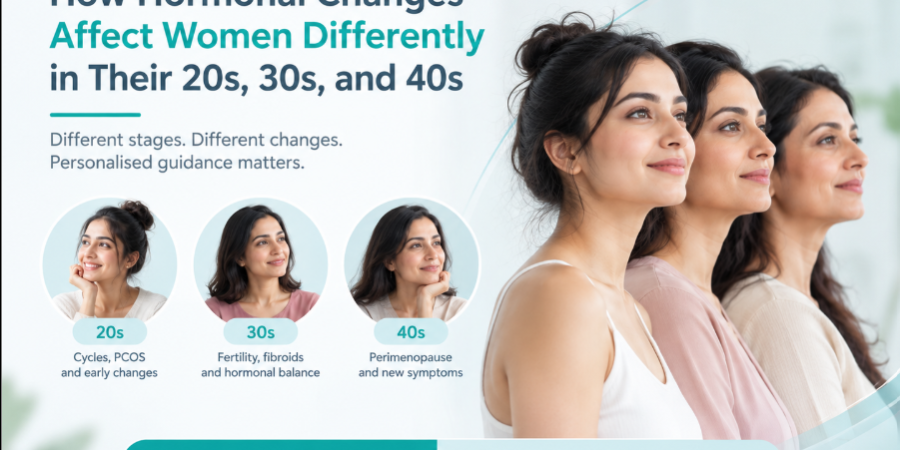
A woman in her 20s may seek help for irregular periods or PCOS. In her 30s, pregnancy planning, endometriosis or changes after childbirth may become more relevant. In her 40s, fluctuating ovarian hormones may bring early perimenopausal symptoms.
Age provides useful context, but symptoms should not automatically be dismissed as “just hormones.” A gynecologist in Pimple Saudagar can help determine whether a change is expected, lifestyle-related or connected to a medical condition.
How the Menstrual Cycle Is Controlled
The menstrual cycle depends on communication between the brain, pituitary gland and ovaries. Important hormones include follicle-stimulating hormone, luteinising hormone, oestrogen and progesterone.
Oestrogen helps build the uterine lining during the first part of the cycle. Ovulation releases an egg from the ovary. After ovulation, progesterone helps prepare the lining for pregnancy. If pregnancy does not occur, hormone levels fall and menstruation begins.
Stress, illness, weight changes, thyroid disorders, PCOS, pregnancy, breastfeeding and medication can affect this process at any reproductive age.
Hormonal Patterns Commonly Seen in the 20s
For many women, menstrual cycles become more predictable during their 20s. The US Office on Women’s Health states that cycles in the 20s and 30s are usually regular and may commonly range from 24 to 38 days.
However, regular-looking bleeding does not always mean every hormonal process is functioning normally. Women in their 20s may experience:
- PCOS symptoms: Irregular periods, acne, unwanted facial hair, scalp hair thinning and difficulty with ovulation may occur.
- Premenstrual symptoms: Bloating, breast tenderness, food cravings and mood changes can appear before menstruation.
- Painful periods: Cramps are common, but severe pain affecting work or daily activity may require evaluation for endometriosis or another condition.
- Effects of contraception: Birth control pills, injections, implants and hormonal intrauterine devices can change bleeding patterns.
- Stress-related cycle changes: Emotional stress, restrictive dieting and heavy exercise may delay or stop ovulation.
Symptoms that significantly affect daily life deserve attention even when they are common among women of the same age.
Hormonal and Reproductive Changes in the 30s
Hormonal function usually continues normally throughout the 30s, but fertility gradually changes because both egg number and egg quality decline with age.
The American College of Obstetricians and Gynecologists explains that fertility begins to decline around age 30 and that the decline becomes faster in the mid-30s. This does not mean that pregnancy is unlikely for every woman in her 30s. It means age becomes one of several relevant factors when planning pregnancy.
Other changes may include:
- Periods that feel heavier or more painful because of fibroids or adenomyosis
- Cycle changes after pregnancy and breastfeeding
- New or continuing PCOS symptoms
- Endometriosis-related pain
- Thyroid changes affecting periods and energy levels
- Greater awareness of premenstrual mood or migraine symptoms
Fibroids also become more common during the 30s and 40s, according to the Office on Women’s Health. They may cause heavy bleeding, pelvic pressure, frequent urination or fertility concerns, although many cause no symptoms.
Hormonal Changes in the 40s
During the 40s, some women enter perimenopause, the transition leading to menopause. This transition does not begin at exactly the same age for everyone.
During perimenopause, ovarian production of oestrogen and progesterone becomes less predictable. Ovulation may not occur every month, which can make cycles shorter, longer, heavier, lighter or occasionally absent.
The American College of Obstetricians and Gynecologists notes that ovarian oestrogen production begins to fluctuate during the 30s and 40s.
Possible symptoms include:
- Irregular periods
- Hot flushes or night sweats
- Sleep disturbance
- Mood changes or increased irritability
- Vaginal dryness or discomfort during sex
- Changes in sexual desire
- Headaches or worsening migraines
- Urinary urgency or recurrent urinary discomfort
Not every woman experiences all these symptoms. Some notice only cycle changes, while others experience symptoms that meaningfully affect sleep, work or relationships.
Pregnancy remains possible during perimenopause until menopause has been reached, so contraception may still be necessary.
When Hormonal Symptoms Need Evaluation
Consult a gynecologist if you experience:
- Bleeding between periods or after sex
- Very heavy bleeding or bleeding lasting longer than usual
- Cycles consistently shorter than 24 days or longer than 38 days
- No period for three months when pregnancy, breastfeeding and menopause do not explain it
- Severe pelvic pain or painful intercourse
- New facial hair, severe acne or scalp hair thinning
- Milky breast discharge when not breastfeeding
- Hot flushes or absent periods before age 40
- Symptoms of anaemia, such as breathlessness, weakness or unusual fatigue
Changes in the 40s should not automatically be attributed to perimenopause. Pregnancy, thyroid disease, fibroids, polyps and other conditions may produce similar symptoms.
How Does a Gynecologist Assess Hormonal Changes?
Evaluation begins with menstrual history, symptoms, medicines, contraception, pregnancy plans and relevant family history.
Depending on the concern, investigations may include a pregnancy test, complete blood count, thyroid function, prolactin, blood sugar assessment or pelvic ultrasound. Hormone testing may be useful in selected situations, but a single hormone result does not always explain symptoms because levels can fluctuate throughout the cycle and during perimenopause.
Treatment is guided by the cause and the patient’s priorities. Options may include lifestyle support, treatment for PCOS or thyroid disease, contraception, medication for heavy bleeding, fertility guidance or management of perimenopausal symptoms.
Supporting Hormonal Health at Every Age
Regular meals, adequate nutrition, physical activity, consistent sleep and avoiding smoking support general and reproductive health. Keeping a menstrual record can help identify meaningful changes.
There is no universal supplement that “balances hormones.” Products promoted online may lack reliable evidence or interact with medicines. Persistent symptoms should be evaluated before beginning hormonal tablets or supplements independently.
Consult Dr. Bharti Hiremath at Hiremath Hospital
At Hiremath Hospital, Dr. Bharti Hiremath evaluates menstrual, hormonal, fertility and perimenopausal concerns according to each woman’s age, symptoms and medical history.
If you are searching for a gynecologist in Pimple Saudagar, you can consult Dr. Bharti Hiremath for an individual assessment and discussion of suitable investigations or treatment. The goal is to understand the cause of the symptoms rather than assuming every change is a normal part of age.
This article is for general education and is not a substitute for personalised medical advice.
Frequently Asked Questions
1. At what age do women’s hormones begin to change?
Hormones change throughout life and across every menstrual cycle. Fertility gradually declines during the 30s, while perimenopausal fluctuations commonly become more noticeable in the 40s. Timing and symptoms differ between individuals.
2. How do I know whether my symptoms are hormonal?
Cycle changes, hot flushes, acne and vaginal dryness can have hormonal causes, but similar symptoms may result from pregnancy, thyroid disease, medication or other conditions. A gynecologist may use your history, examination and selected tests to identify the likely cause.
3. Do all women need hormone tests after age 40?
No. Testing depends on symptoms and clinical findings. Perimenopause can often be assessed from age and menstrual history, while blood tests may be appropriate when symptoms are unusual, periods stop early or another condition is suspected.
#hormonalhealth #womenshealth #gynecologistinpimplesaudagar #menstrualhealth #fertilityhealth #perimenopause #pcosawareness #healthyaging #hiremathhospital